Renovation costs · Swansea
House Renovation Costs in Swansea
Daffodil Property Refurbishment connects Swansea homeowners with one trusted local refurbishment partner for house renovation cost advice and a property-specific quotation.
Even two houses on the same street can need different work, so the provider needs to understand the property before preparing a quotation.
This guide sets out what drives the price and gives broad, sourced figures for work that can be estimated on its own. After the introduction, your refurbishment provider visits the property and prepares the quotation.
- The most expensive parts of a renovation: what eats the budget, and why
- What drives the price: six factors, in the order they matter
- The figures you can rely on: real per-room ranges, sourced
- Grants and VAT relief for Welsh homes: money most Swansea sites never mention
Want a figure for your own property? Call 01792 223 223. Your refurbishment provider will discuss the project and explain the next step.
How Daffodil Property Refurbishment Works
Daffodil Property Refurbishment connects Swansea homeowners with our trusted local refurbishment partner. Tell us about the job; we take your brief and hand it straight to your refurbishment provider.
From the first site visit to the written quote, the work and the guarantee that backs it, everything runs directly between you and your refurbishment provider. We make the introduction and stay on hand; they do the work and stand behind it.
Before a number
Why a renovation price needs a look first
Two things decide the price, and a phone call can’t see either of them.
The first is condition. Two Swansea houses on the same street, built the same year, can need completely different work. One has sound wiring behind the plaster. The other doesn’t, and nobody knows which until a wall comes off.
The second is scope. “Renovation” covers a repainted spare room and a full strip-out to brick, and every size in between. Until yours is settled, there’s nothing definite to price.
A survey fixes both, which is why it comes before the number.
Where the money goes
What is the most expensive part of a house to renovate?
Checkatrade’s cost data puts structural work, kitchens and bathrooms at the top. Those are the three most expensive parts of a house renovation.
Structural work costs the most because so little of it is visible. Removing a load-bearing wall means steel and calculations. Building control has to sign it off before a single brick moves.
Kitchens and bathrooms cost the most per room because they stack every trade into one small space. Plumbing, electrics, tiling, joinery and a run of fitted units all land in the same few square metres.
Extensions, a full rewire or a new heating system add further cost on top of those three.
That’s the shape of a renovation budget before any figure goes near it.
Cost drivers
The six things that drive a renovation budget
Six things decide what a Swansea renovation costs. The Federation of Master Builders ranks them in this order.
1
Structural work
Load-bearing walls coming out, steelwork going in, difficult ground to build on. This driver costs more than any other. Calculations and building control sign-off go with it, not just the labour.
2
Services that need replacing
Rewiring, replumbing, drainage and heating pipes are the biggest surprise in an older property. Nobody knows the true state of them until the walls are open.
3
Specification
Worktops, tiles, fittings, glazing and joinery are the driver you choose yourself. A cosmetic finish and a high specification can sit on the same layout of work.
4
Location
National cost data leans on London and the South East, where labour costs more. Swansea isn’t priced the way a national average suggests.
5
Professional and compliance costs
Surveys, drawings, structural calculations and building control fees add up before a single trade arrives on site.
6
Property age and condition
Older Swansea houses often hide damp, rot, old wiring and structural changes nobody recorded. That’s why a figure given before a survey is a guess.
Site access and logistics matter too, including a tight terrace or a tricky driveway. A general cost guide cannot account for every property; the provider’s visit can.
How pricing works
How a refurbishment is priced: visit first, then a scope
01
A property visit before a figure is written down
Your refurbishment provider visits the property, talks through the proposed work and identifies where specialist checks may be needed. The visit gives them the information needed to prepare a written scope and quotation.
02
A scope covering every trade, not a headline total
Structural work, services, specification and finishes are itemised room by room. You see what each part costs, not just what the whole job adds up to.
03
One provider coordinates the whole scope
Your refurbishment provider coordinates the agreed scope, trades and quotation directly with you.
04
Nothing added without being priced first
If the survey or the work itself turns up something new, it gets priced and agreed before anyone continues, not added to the bill afterwards.
That’s how a real number gets attached to your project instead of a guess.
Get My Free Quote
Start with the survey that turns guesses into figures
Real figures
What you can put a number on
Some parts of a renovation can be estimated on their own. They’re priced per room or per job, not per house. Here are four estimates you can rely on.
| Element | Estimate | Source |
|---|---|---|
| Kitchen | £7,000 – £25,000 (avg £17,500), up to £40,000+ supply and fit | Checkatrade / MyBuilder |
| Bathroom | £5,000 – £12,000 | FMB |
| Full rewire | £4,000 – £12,000+ (avg £6,250) | Checkatrade |
| Roof replacement | £6,500 – £18,000 (avg £12,250) | Checkatrade |
Checkatrade and MyBuilder put a full kitchen fit-out at £7,000 to £25,000. The average is around £17,500. A high-specification supply-and-fit job can pass £40,000. A kitchen renovation sits inside that range depending on layout and finish.
The Federation of Master Builders puts a full bathroom renovation at £5,000 to £12,000. Checkatrade puts a full rewire at £4,000 to £12,000 or more, averaging around £6,250, and a roof replacement at £6,500 to £18,000, averaging around £12,250.
Every one of those is an estimate, not a quote. Each depends on what’s behind the walls of your own kitchen, bathroom or roof.
The whole-house question
Why a whole-house total isn’t quoted upfront
A whole-house renovation doesn’t get a figure on this page.
A range wide enough to cover every three-bedroom house in Swansea runs from a lick of paint to a full strip back to brick. Widen a range that far and it stops telling you anything about your own house.
Quote a number before anyone has seen your property and you’re pricing a house nobody has looked at. A high figure scares off the people who needed less. A low one is wrong the moment a wall comes off.
So the answer stays the same: someone has to look. It’s the only way to put a real number on a real house.
Call 01792 223 223, and your refurbishment provider can arrange the next step.
Reading a quote
What’s in a refurbishment quote
Your refurbishment provider prepares the quotation and agrees the scope directly with you. Ask them to show clearly what is included before you accept it.
Four things make up a proper scope.
- Inclusions: the work, materials and stages priced into the job
- Exclusions: anything outside that scope, or needing a different trade or a later decision
- Allowances: a placeholder amount for a choice you haven’t made yet, like tiles or a worktop
- Assumptions: something the quote relies on because nobody can confirm it until a wall comes off
Ask what each allowance covers and how a different choice would change it. Ask what each assumption relies on. A scope that answers both is one you can compare against another quote.
The house refurbishment guide explains how that scope is prepared and how the work is sequenced.
Get My Free Quote
See what your own quote would cover
Examples
Refurbishment examples
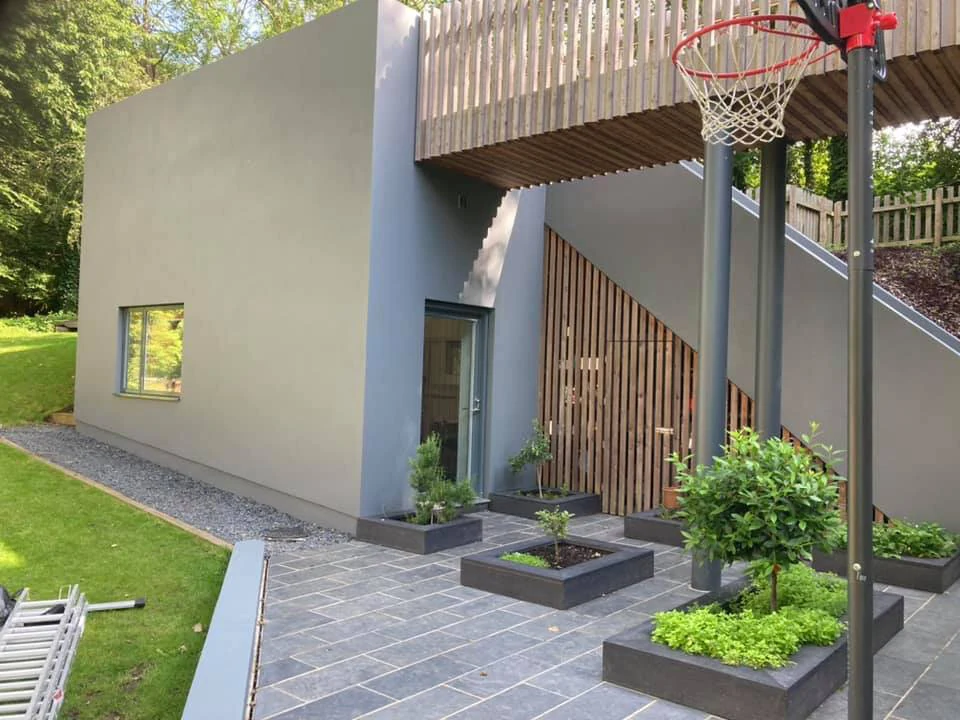
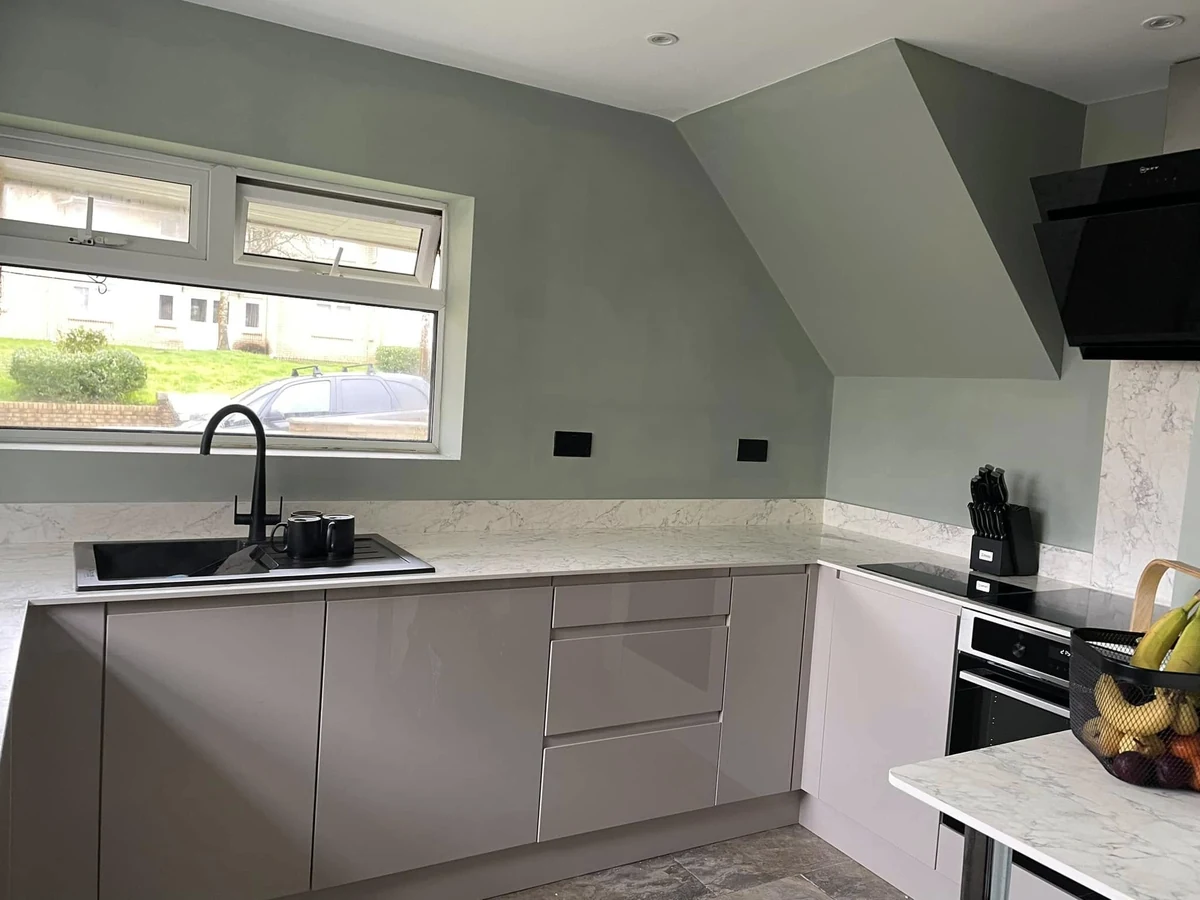
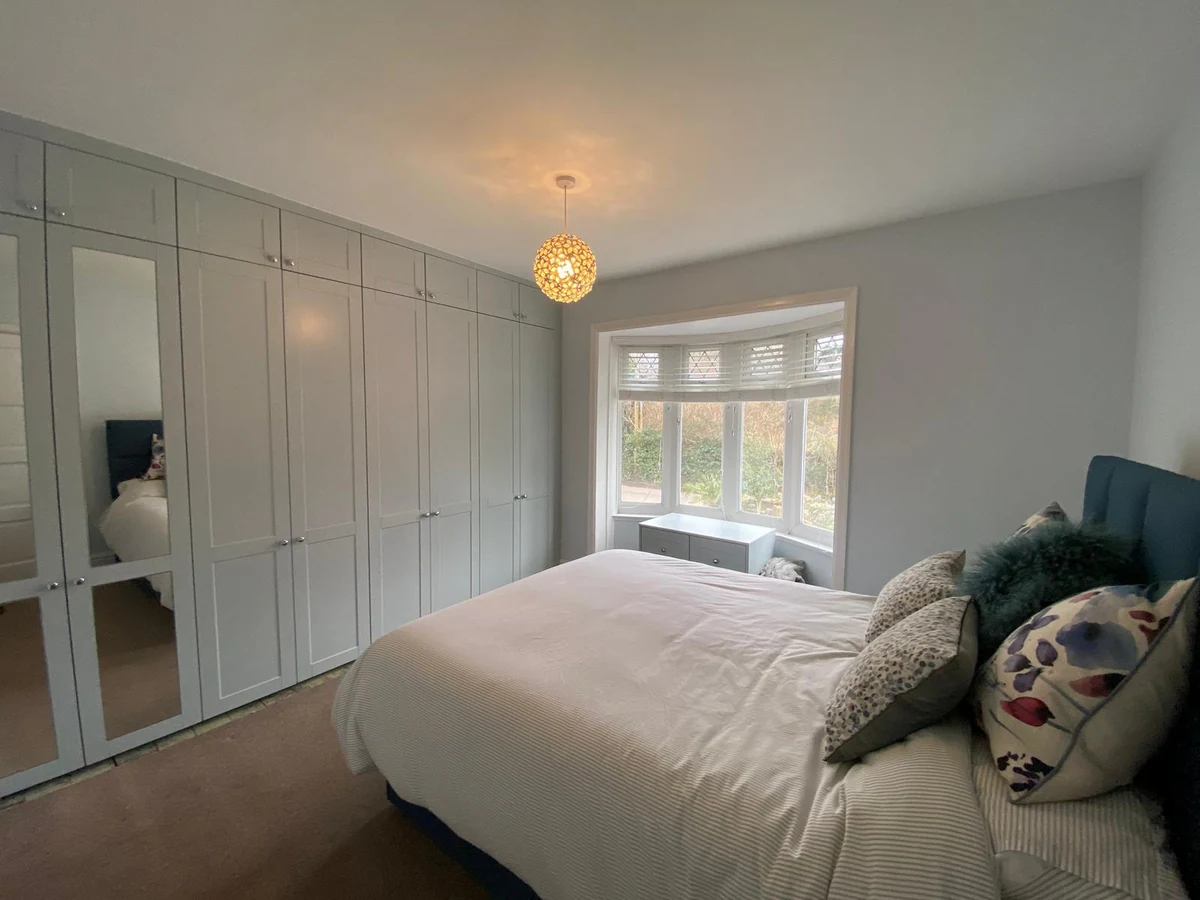
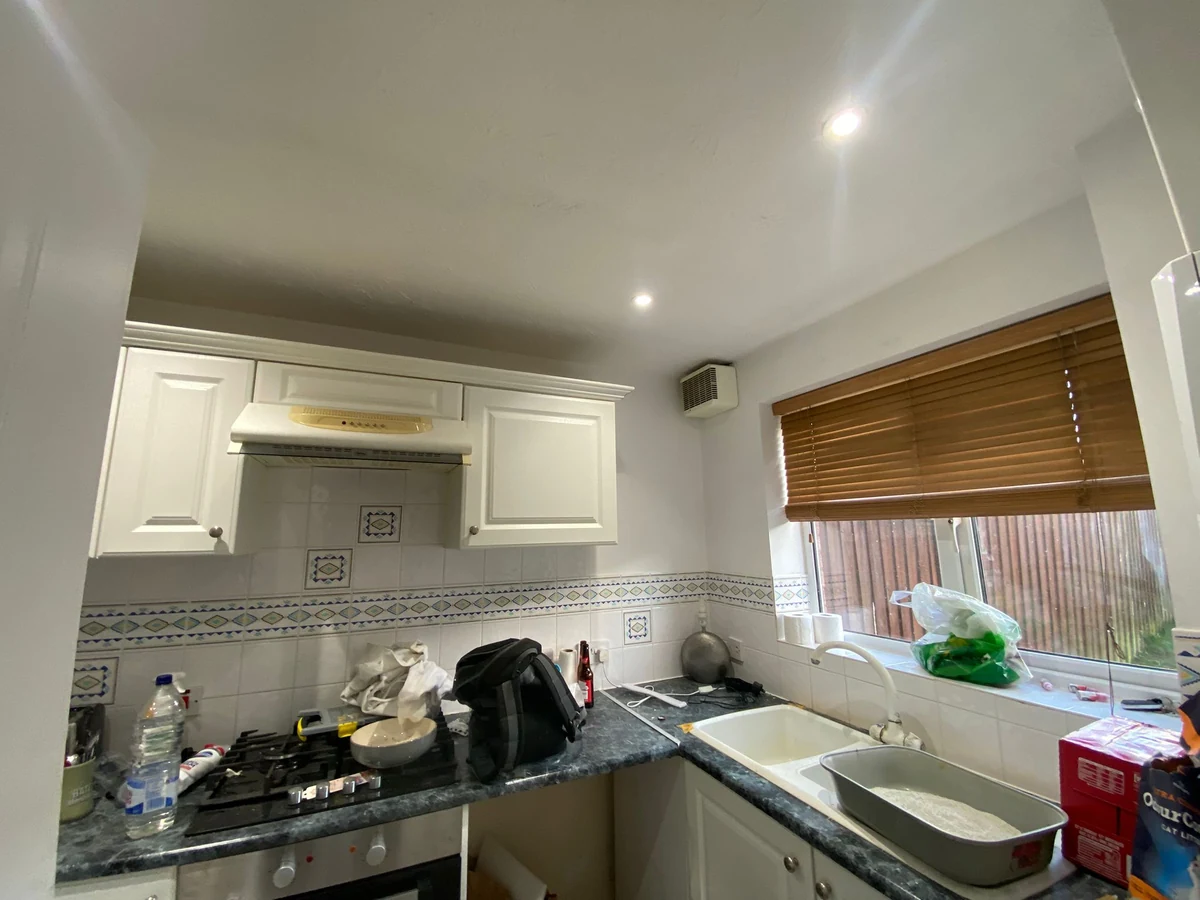
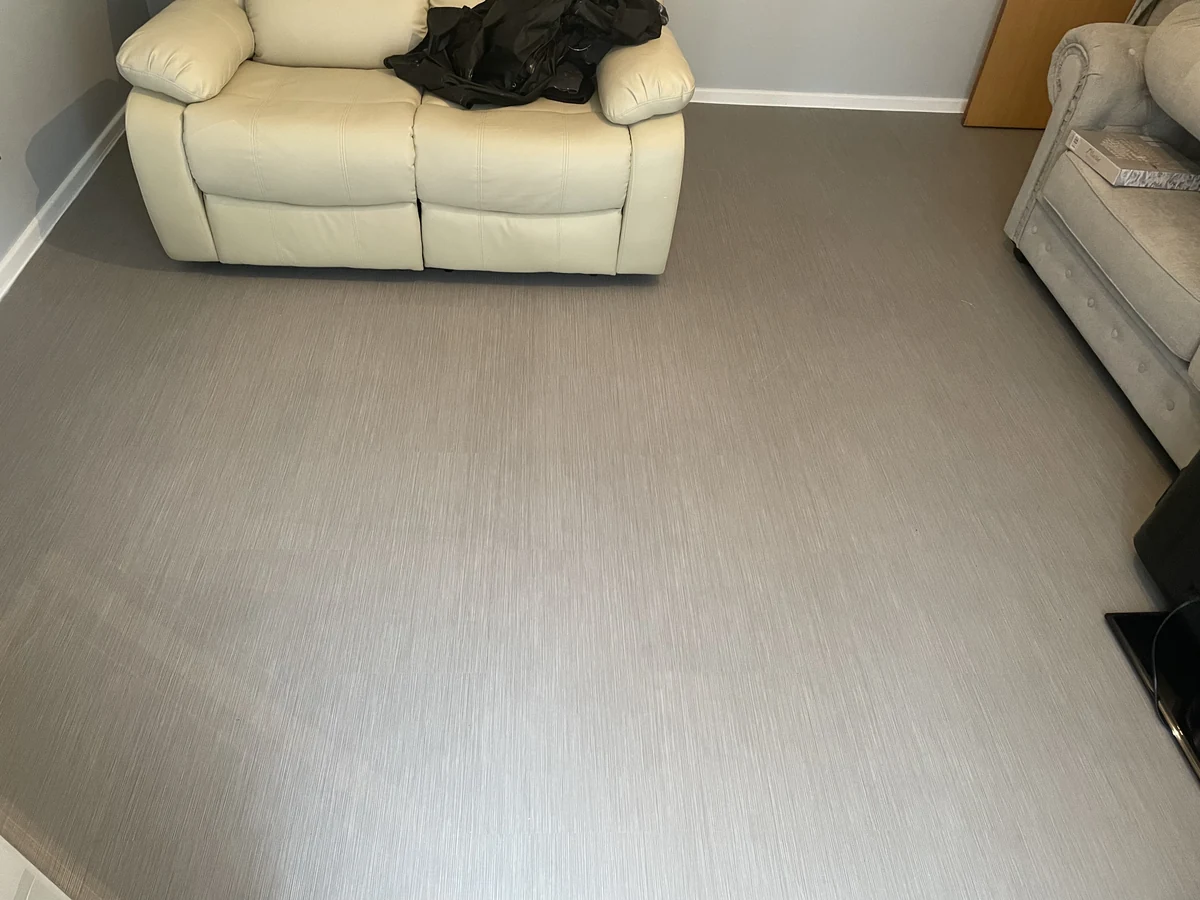
These photographs are shown as refurbishment examples only. They are not presented as DPR projects or as work completed by your refurbishment provider.
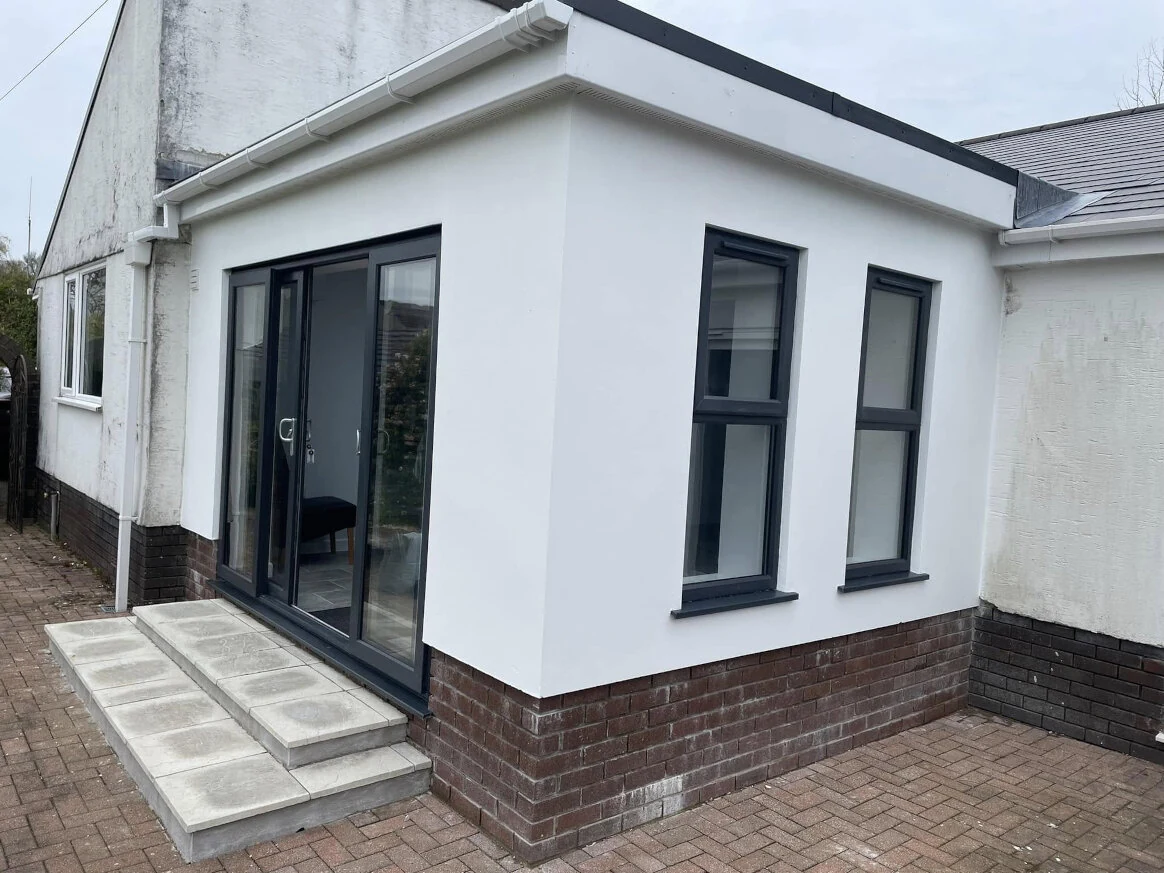
A finished rear extension with sliding doors and a paved patio.
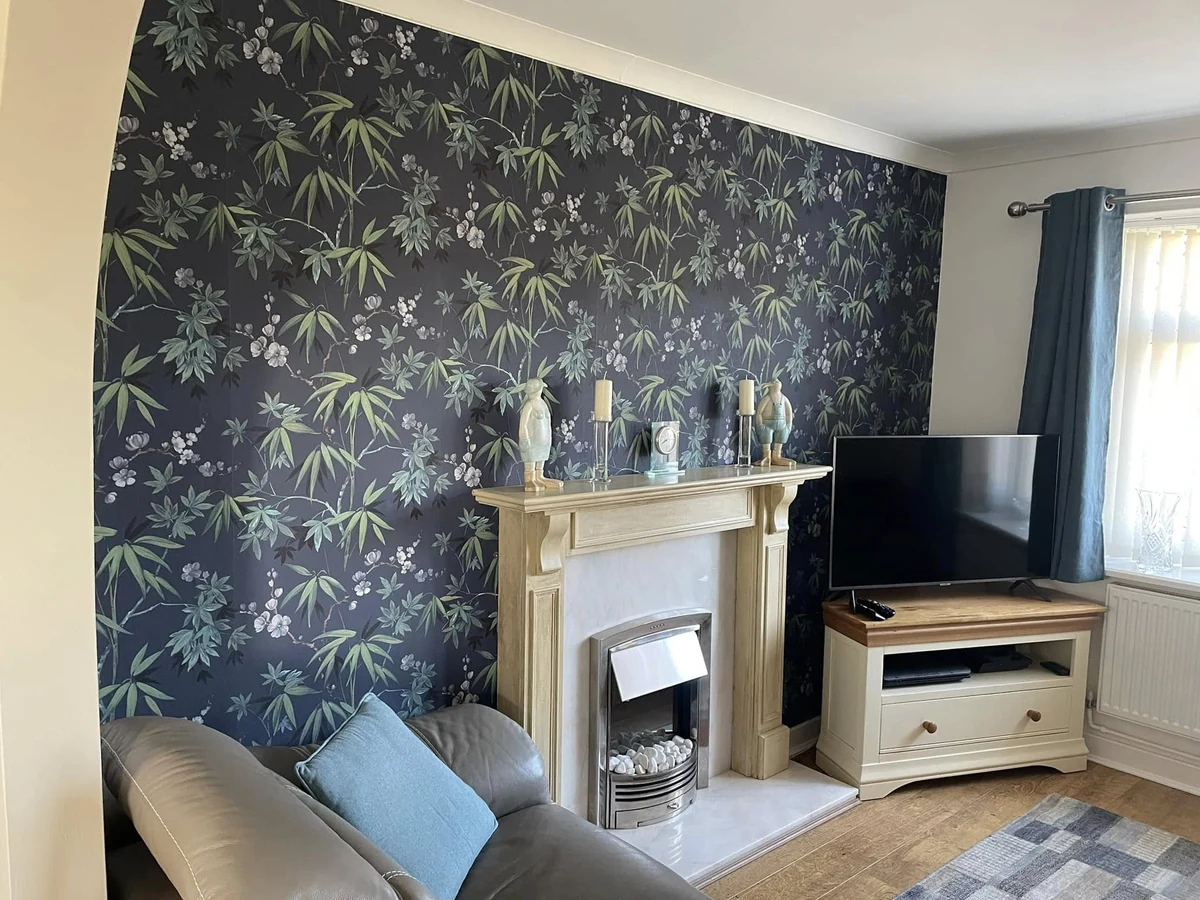
A finished room with a dark botanical feature wall, fireplace and seating.
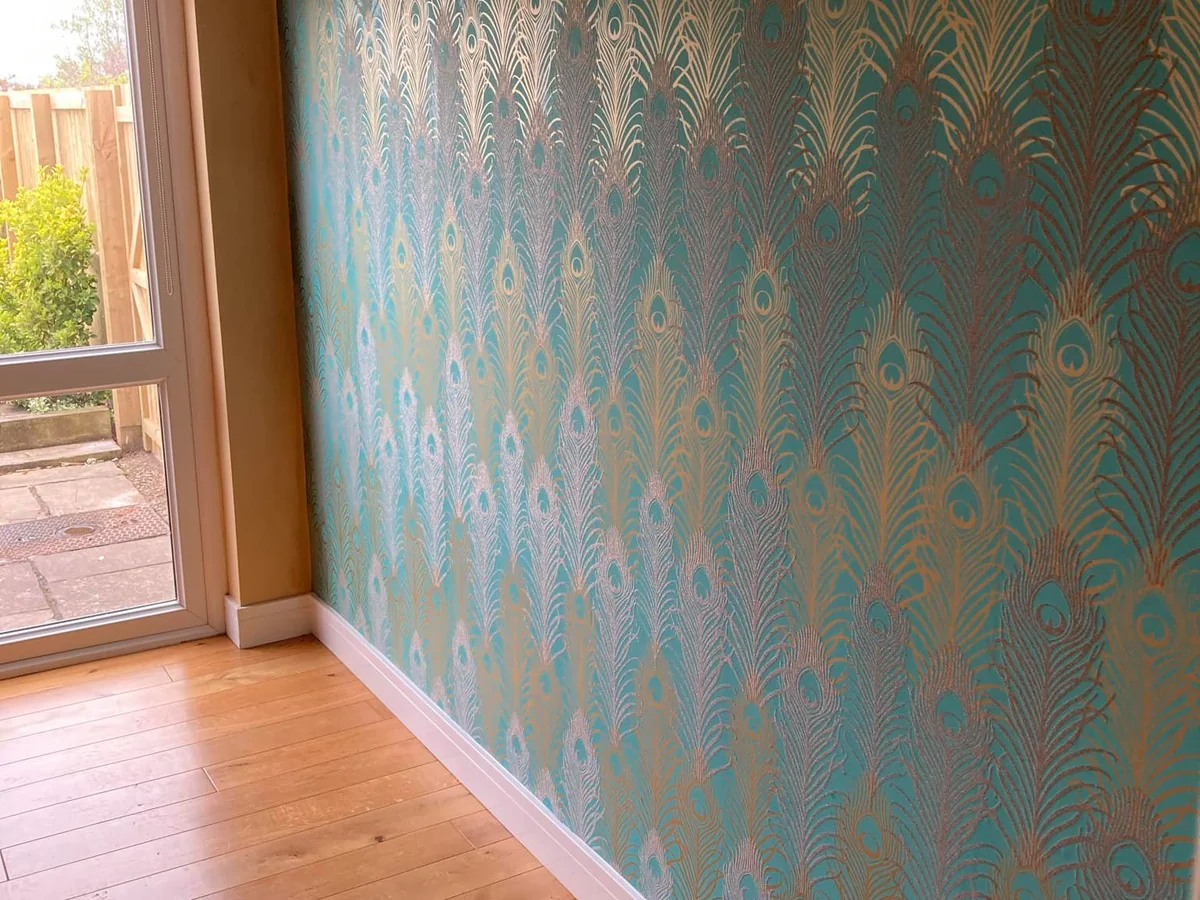
A peacock-pattern feature wall in teal and copper.
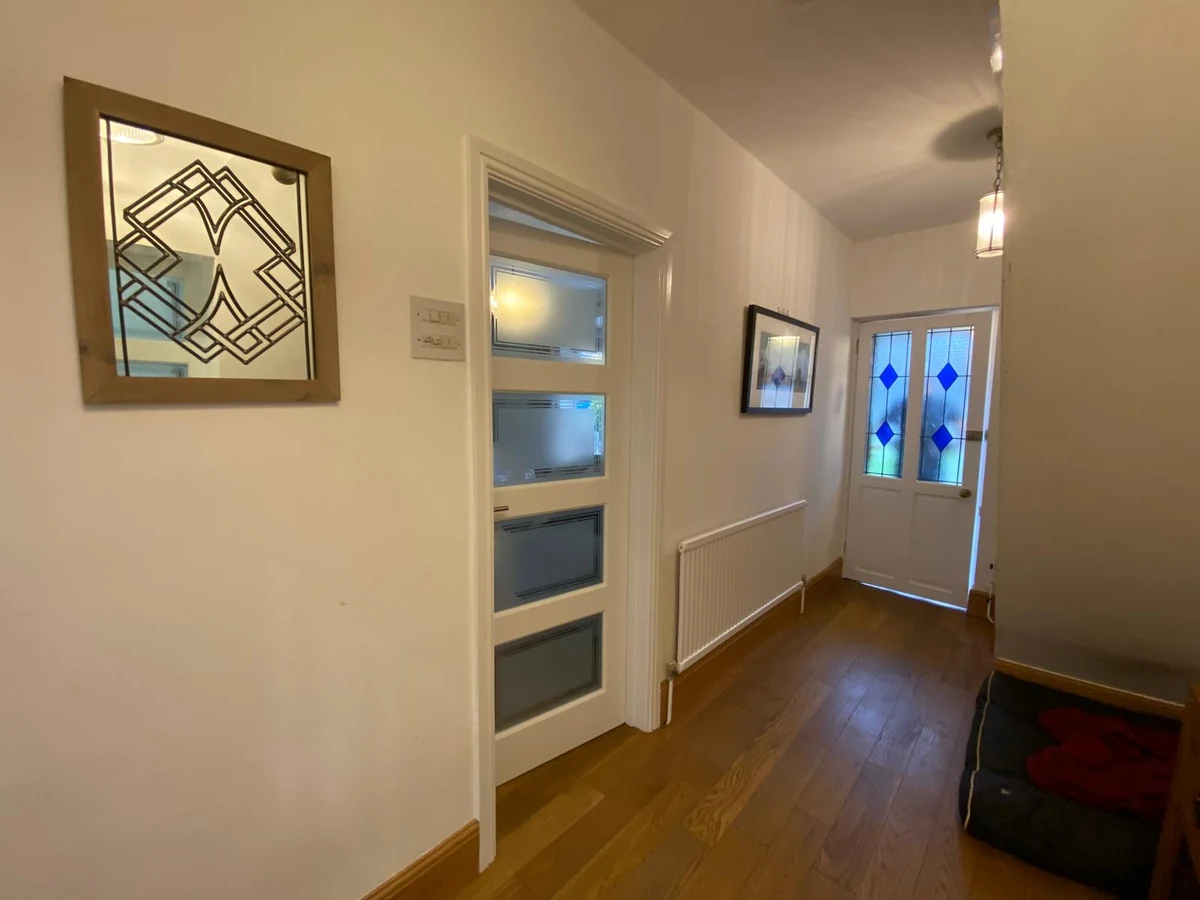
A finished hallway with a wood floor and a stained-glass front door.
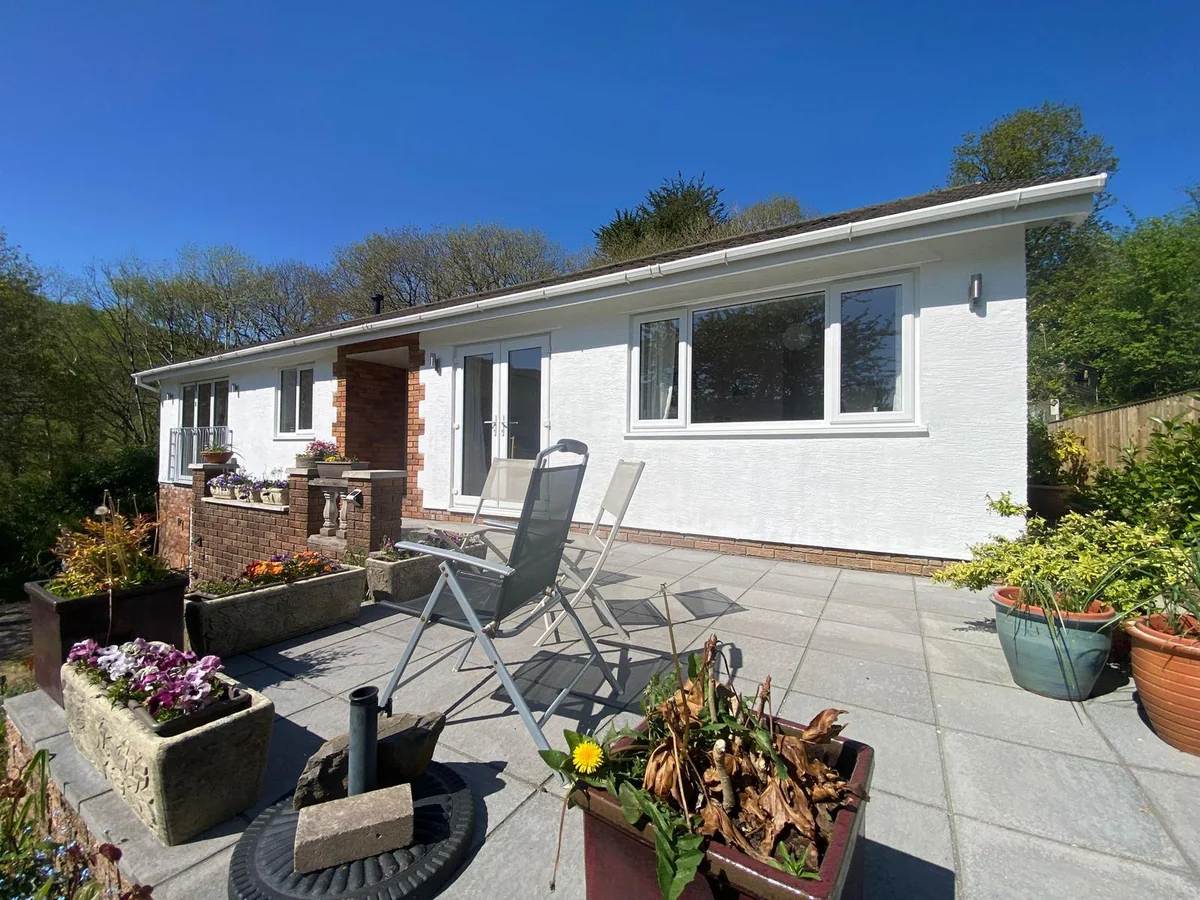
A finished white exterior and paved patio on a single-storey home.
Welsh grants
Grants and VAT relief for Welsh homes
Three grants and reliefs can move a Swansea renovation budget, and most local refurbishment sites never mention them. Nest is the Welsh Government’s Warm Homes Programme, offering free advice to households on a low income and sometimes covering energy improvements too. ECO4, a supplier-funded scheme, runs to 31 December 2026 (Ofgem). Check your own position with Swansea Council before you rely on any of these.
£25,000
Maximum National Empty Homes Grant, for a property empty 12 months or more, extended to 31 March 2027
5%
VAT instead of 20%, for renovating a home empty two years or more (gov.uk, VAT Notice 708)
0%
VAT on insulation, heat pumps and solar, until 31 March 2027 (gov.uk)
Get My Free Quote
Get a figure you can rely on, itemised room by room
Coverage
Areas covered
Introductions for refurbishment quotations are available across Swansea, Mumbles, Gower, Sketty, Killay, Uplands and Morriston.
Questions
Renovation Cost FAQs
Get in touch
Get in touch
Send your details and your refurbishment provider will call to talk through the renovation and, if appropriate, arrange a visit.